
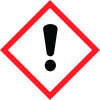
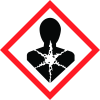
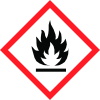
Nota: Ingredientes incluidos en la lista de productos químicos restringidos
EC/CAS
1345-16-0
Nombre del producto químico
C.I. Pigment Blue 28
Concentración
≥20-≤50
EC/CAS
64742-95-6
Nombre del producto químico
Solvent naphtha (petroleum), light arom
Concentración
≥1.0-≤4.1
EC/CAS
91-20-3
Nombre del producto químico
Naphthalene,3
Concentración
<1.0
Información General
Version
1
Fecha de revisión:
2026-06-26
A. Nombre del producto
POLYESTER BLUE TINT
1.5 Uso recomendado:
Aplicaciones industriales
1.2.2. Usos desaconsejados
No aplicable
IÍconos en FDS


Información de la empresa
Empresa
PPG Industries, Inc
Información GHS
Palabra clave
Peligro
Hazard Codes
Declaraciones de peligro (CLP)
H226, H316, H319, H336, H350
Declaraciones de peligro
Código
Declaraciones
H226
Flammable liquid and vapour
Sección 2
SECCIÓN 2: Identificación de los peligros
Ingrediente (s) con toxicidad aguda desconocida
26.1% (dermal), 24% (inhalation) This product contains TiO2 which has been classified as a GHS Carcinogen Category 2 based on its IARC 2B classification. For many products, TiO2 is utilized as a raw material in a liquid coating formulation. In this case, the TiO2 particles are bound in a matrix with no meaningful potential for human exposure to unbound particles of TiO2 when the product is applied with a brush or roller. Sanding the coating surface or mist from spray applications may be harmful depending on the duration and level of exposure and require the use of appropriate personal protective equipment and/or engineering controls (see Section 8).
Palabra de advertencia
Danger
Indicaciones de peligro
Flammable liquid and vapor. Causes skin irritation. Causes serious eye irritation. Toxic if inhaled. Suspected of causing cancer.
Prevención
Obtain special instructions before use. Do not handle until all safety precautions have been read and understood. Wear protective gloves, protective clothing and eye or face protection. Keep away from heat, hot surfaces, sparks, open flames and other ignition sources. No smoking. Use only outdoors or in a well-ventilated area. Avoid breathing vapor. Wash thoroughly after handling.
Respuesta
IF exposed or concerned Get medical advice or attention. IF INHALED Remove person to fresh air and keep comfortable for breathing. Call a POISON CENTER or doctor. IF ON SKIN (or hair): Take off immediately all contaminated clothing. Rinse skin with water. If skin irritation occurs Get medical advice or attention. IF IN EYES Rinse cautiously with water for several minutes. Remove contact lenses, if present and easy to do. Continue rinsing. If eye irritation persists: Get medical advice or attention.
Almacenamiento
Store locked up.
Eliminación
Dispose of contents and container in accordance with all local, regional, national and international regulations.
Información suplementaria
Repeated exposure to high vapor concentrations may cause irritation of the respiratory system and permanent brain and nervous system damage. Inhalation of vapor/aerosol concentrations above the recommended exposure limits causes headaches, drowsiness and nausea and may lead to unconsciousness or death. Emits toxic fumes when heated.
2.3. Otros riesgos
None known.
2.1 Clasificación de la sustancia o de la mezcla
ACUTE TOXICITY (inhalation) - Category 3 SKIN IRRITATION - Category 2 EYE IRRITATION - Category 2A CARCINOGENICITY - Category 2 Percentage of the mixture consisting of ingredient(s) of unknown acute toxicity: 26.1% (dermal), 24% (inhalation) This product contains TiO2 which has been classified as a GHS Carcinogen Category 2 based on its IARC 2B classification. For many products, TiO2 is utilized as a raw material in a liquid coating formulation. In this case, the TiO2 particles are bound in a matrix with no meaningful potential for human exposure to unbound particles of TiO2 when the product is applied with a brush or roller. Sanding the coating surface or mist from spray applications may be harmful depending on the duration and level of exposure and require the use of appropriate personal protective equipment and/or engineering controls (see Section 8).