

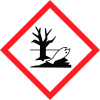
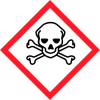
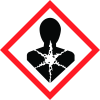
Nota: Ingredientes incluidos en la lista de productos químicos restringidos
EC/CAS
215-181-3/1310-58-3
Nombre del producto químico
potassium hydroxide
Concentración
>=10-<20
EC/CAS
231-990-4/7783-33-7
Nombre del producto químico
Mercury(II) potassium iodide
Concentración
>=2,5-<10
Información General
Version
8.2
Fecha de revisión:
2021-07-28
A. Nombre del producto
Reactivo de Nessler de las sales amonicas
REACH Número de registro
Este
1.5 Uso recomendado:
Análisis químico
1.2.2. Usos desaconsejados
Este producto no está destinado para uso del consumidor
Número de emergencia
+(34)-931768545
IÍconos en FDS


Información de la empresa
Empresa
Merck S.A. VE
Información GHS
Palabra clave
Peligro
Hazard Codes
Declaraciones de peligro (CLP)
H290, H301+H331, H310, H314, H373, H410
Declaraciones de peligro
Código
Declaraciones
H290
May be corrosive to metals
Sección 2
SECCIÓN 2: Identificación de los peligros
No 1272/2008 2.1 Classification of the substance or mixture
Pictogramas de peligro
Signal word Hazard statement(s) Danger H290 May be corrosive to metals. H301 + H331 Toxic if swallowed or if inhaled. H310 Fatal in contact with skin. H314 Causes severe skin burns and eye damage. H373 May cause damage to organs (Kidney, Central nervous system) through prolonged or repeated exposure. H410 Precautionary statement(s) Very toxic to aquatic life with long lasting effects. P273 Avoid release to the environment. P280 Wear protective gloves/ protective clothing/ eye protection/ face protection/ hearing protection. P303 + P361 + P353 IF ON SKIN (or hair): Take off immediately all contaminated clothing. Rinse skin with water. P304 + P340 + P310 IF INHALED: Remove person to fresh air and keep comfortable for breathing. Immediately call a POISON CENTER/ doctor. P305 + P351 + P338 IF IN EYES: Rinse cautiously with water for several minutes. Remove contact lenses, if present and easy to do. Continue rinsing. P314 Supplemental Hazard Statements Get medical advice/ attention if you feel unwell. none Etiquetado reducido (<= 125 ml)
Indicaciones de peligro
H310 Mortal en contacto con la piel. H314 Provoca quemaduras graves en la piel y lesiones oculares graves. H301 + H331 Tóxico en caso de ingestión o inhalación. Declaración(es) de prudencia P280 Llevar guantes/ ropa de protección/ equipo de protección para los ojos/ la cara/ los oídos. P303 + P361 + P353 EN CASO DE CONTACTO CON LA PIEL (o el pelo): Quitar inmediatamente toda la ropa contaminada. Enjuagar la piel con agua. P304 + P340 + P310 EN CASO DE INHALACIÓN: Transportar a la persona al aire libre y mantenerla en una posición que le facilite la respiración. Llamar inmediatamente a un CENTRO DE TOXICOLOGÍA/ médico. P305 + P351 + P338 EN CASO DE CONTACTO CON LOS OJOS: Enjuagar con agua cuidadosamente durante varios minutos. Quitar las lentes de contacto cuando estén presentes y pueda hacerse con facilidad. Proseguir con el lavado.
Información suplementaria
ninguno(a)
Otros peligros
Esta sustancia/mezcla no contiene componentes que se consideren que sean bioacumulativos y tóxicos persistentes (PBT) o muy bioacumulativos y muy persistentes (vPvB) a niveles del 0,1% o superiores.
2.1 Clasificación de la sustancia o de la mezcla
Classification according to Regulation (EC) No 1272/2008 Corrosive to Metals (Category 1), H290 Acute toxicity, Oral (Category 3), H301 Acute toxicity, Inhalation (Category 3), H331 Acute toxicity, Dermal (Category 2), H310 Skin corrosion (Sub-category 1A), H314 Serious eye damage (Category 1), H318 Specific target organ toxicity - repeated exposure (Category 2), Kidney, Central nervous system, H373 Short-term (acute) aquatic hazard (Category 1), H400 Long-term (chronic) aquatic hazard (Category 1), H410 For the full text of the H-Statements mentioned in this Section, see Section 16.